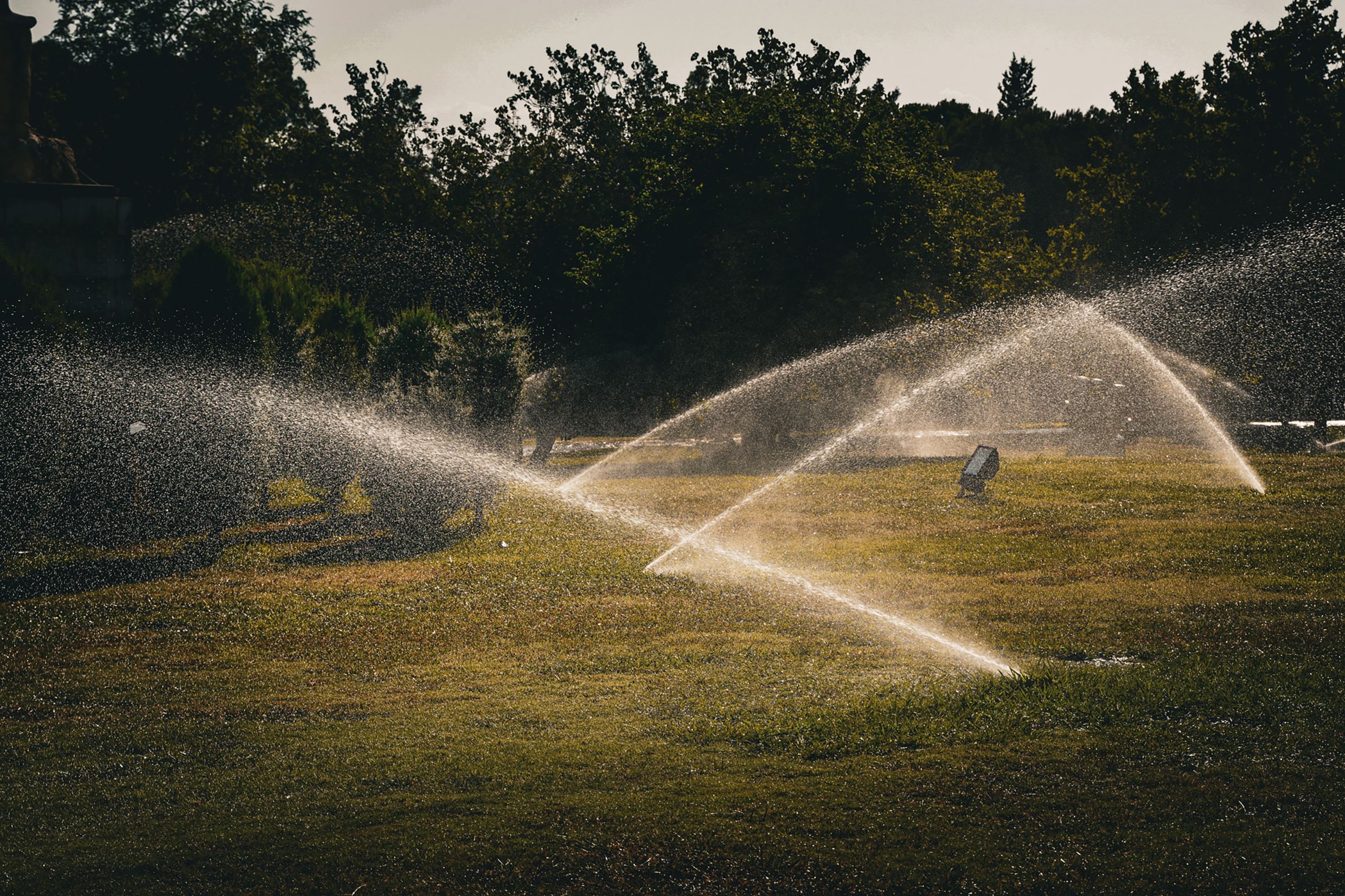
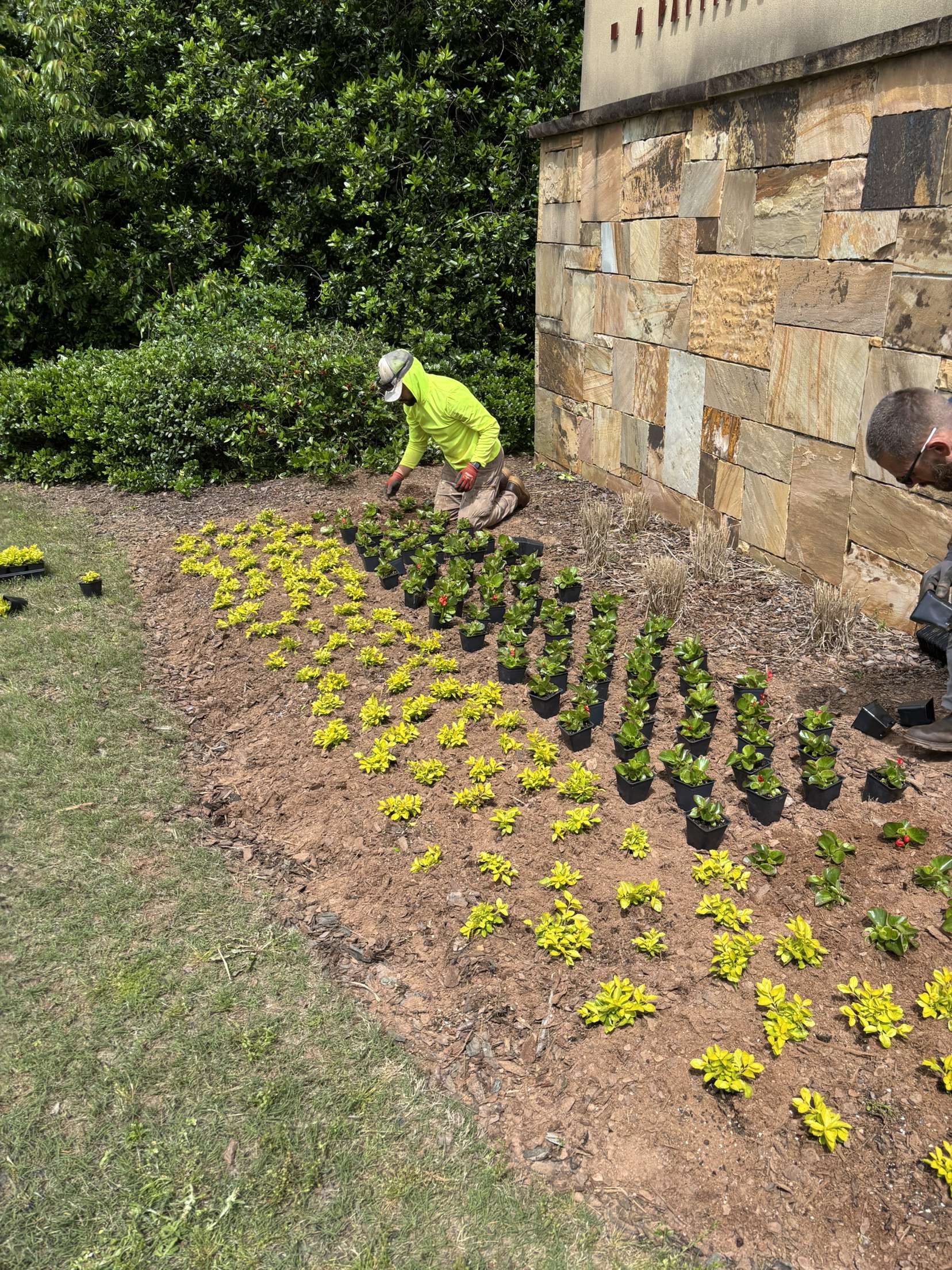
Southern Care Lawn & Landscape, Inc. provides irrigation services in Buford, Georgia, including sprinkler repair, zone adjustments, controller programming, and new system installation for commercial properties. This page is for property owners and managers who see dry patches, soggy spots, or rising water bills and want a clear next step. Call or send a request, and we will talk through what you are seeing and set up a look at the system.
Irrigation problems rarely announce themselves. One broken head sprays the parking lot while the bed beside it turns brown. A zone that never runs leaves a strip of turf thin by midsummer. A valve that sticks open keeps one area wet for days. By the time tenants or visitors notice, the damage to plants and curb appeal is already done, and the fix usually costs less the sooner someone walks the zones.
Sprinkler warning signs
Most irrigation trouble shows up in the landscape before it shows up on a bill. Walk the property during a run cycle if you can, and watch for these:
- Brown or thinning turf in a pattern that follows a zone line
- Pooling water, muddy mulch, or algae near a sprinkler head
- Heads that are tilted, sunken, clogged, or knocked off by equipment
- Spray hitting sidewalks, drive aisles, windows, or building walls
- Low pressure, weak misting, or heads that barely pop up
- A zone that never turns on, or one that will not shut off
- Water bills that climb without any change in how the property is used
- Controller screens that are blank, stuck, or showing a schedule nobody remembers setting
Any one of these can have a simple cause. Several together often point to a bigger repair, such as a damaged line or a failing valve.
Repair, install, adjust
Irrigation work generally falls into three kinds of jobs. Knowing which one you need makes the first conversation easier.
Sprinkler repair
Repair covers broken or clogged heads, cracked risers, leaking fittings, damaged lines, and valves that stick. The goal is to get each zone delivering water where the plants and turf actually need it.
New irrigation installation
New systems make sense for a freshly installed landscape, a renovated bed area, or a property that has been watered by hand or hose. A layout should match the plant types, sun exposure, slopes, and turf areas, so shrubs, annuals, and lawn are not forced onto the same schedule.
Adjustments and controller programming sit between the two. Resetting spray patterns, changing run times, and updating a schedule for the season can fix a surprising number of complaints without any new parts.
How visits work
Every property is different, but a typical irrigation visit follows a simple order. Here is what to expect from us and what to look for from any provider:
- Talk it through. You describe the dry areas, wet areas, and anything that changed recently, such as new plantings, construction, or mowing equipment damage.
- Run the zones. Each zone is turned on in turn so the crew can see coverage, pressure, and leaks with their own eyes.
- Find the cause. A brown patch might come from a clogged nozzle, a misaligned head, a cut line, or a schedule that no longer fits the plants.
- Explain the options. You should hear what needs fixing now, what can wait, and what a larger upgrade would involve.
- Make the repair or adjustment. Work is done and the zone is run again to confirm the fix.
For installation projects, the same conversation expands into a layout plan, a scope of work, and a schedule that fits around the rest of the landscape.
Irrigation or drainage?
Property managers often call about a wet area and assume the sprinklers are the cause. Sometimes they are, such as when a leaking line or stuck valve keeps one spot saturated. Other times the water comes from runoff, downspouts, or low ground that holds rain no matter what the sprinklers do.
This page covers irrigation: getting the right amount of water to the lawn, beds, and plantings. Moving excess water away from the property is a different job. Landscape drainage solutions are a separate service, and if a site visit shows the problem is drainage rather than irrigation, we will say so and can talk through that service with you.
Buford watering conditions
Buford sits in a part of Georgia with hot, humid summers, mild winters, and rain that tends to arrive in bursts instead of a steady supply. Many properties in the area sit on clay-heavy soil, which usually absorbs water slowly. That means a sprinkler running too long on a slope can send water off the property before it soaks in.
Plants also change what they need through the year. Turf, shrubs, and seasonal flower beds rarely want the same amount of water, and spring and fall demand is usually very different from the middle of summer. A schedule that was set once and never revisited is one of the most common reasons landscapes look stressed even when the system technically runs.
Signs of good work
Whoever does the work, you can judge irrigation service by a few practical standards:
- Coverage matches the plants. Spray should reach the turf and beds it is meant for, with minimal overspray onto pavement and buildings.
- Zones are tested after repair. The provider should run the zone again and show you the result.
- Timing fits the season. Run times and start times should be adjusted for weather, with watering early in the day rather than at peak heat.
- Cleanup is complete. Open trenches should be filled, turf disturbed by digging should be patched or smoothed, and old parts should be removed.
- You get a plain explanation. A good provider tells you what failed, what was done, and what to watch next.
What affects cost
Irrigation pricing depends on the actual conditions at the property, which is why a fair quote usually follows a look at the system. The main factors are:
- Number of zones and overall size of the area being watered
- Whether the job is a repair, an adjustment, or a new installation
- Type and number of parts needed, such as heads, valves, lines, or a controller
- Depth and accessibility of damaged lines, including pavement, rock, or established plantings in the way
- Soil conditions, slopes, and how much digging is required
- Plant types and whether beds and turf need separate zones
- Scheduling needs, including work around tenants and business activity
A clear written quote should spell out the scope of work, what is included and excluded, how many visits are expected, any extras you might be asked to approve, and how changes will be handled if hidden damage turns up once digging starts.
Questions before you hire
Whether you are comparing providers or getting your first quote, ask these:
- Are any state or local licenses or permits required for this work, and who handles them? Requirements can vary with the type of job, especially for new installations.
- Is the provider insured, and can you see proof? Damage to lines, pavement, or property can happen during digging.
- What exactly is included in the quote? Ask about parts, labor, testing, cleanup, and turf repair after digging.
- How will scheduling work? You want to know when crews will arrive and how that fits around your property's activity.
- How will they communicate findings and changes? You should hear about any added repairs before they happen, not after.
Common questions
How often should an irrigation system be checked?
Most commercial systems benefit from a look at the start of the growing season and again when the weather shifts. Checking after any construction, equipment damage, or major landscape change also catches problems early.
When is the best time to schedule irrigation work in Buford?
Repairs are usually needed as soon as a problem appears, since dry stretches in summer stress plants quickly. New installations often fit best before a planting season or alongside a landscape renovation, so trenching does not damage fresh plants.
How is the price of irrigation work figured out?
Pricing follows the factors above: zone count, property size, repair versus installation, parts, digging conditions, and scheduling. A written quote should show how each piece contributes so you can compare it with other proposals.
Why is part of my lawn brown when the sprinklers run every day?
Running often does not mean covering evenly. A clogged nozzle, a head turned the wrong way, low pressure, or a schedule that waters too briefly can all leave dry patches. Running each zone and watching the spray is usually the fastest way to find the cause.
Can irrigation fix a soggy area on my property?
Only if the sprinklers are the source, such as a leaking line or a valve that will not close. If the water is coming from runoff or low ground, the fix is a drainage question, and that is a separate service we can discuss with you.
How do I get started with irrigation services?
Call or send a request describing what you are seeing, including which areas look dry or wet and how long it has been happening. From there we can plan a visit to look at the zones and talk through repair, adjustment, or installation options for your property.